Long-term used fuel management
Used nuclear fuel is a shared responsibility between OPG and the Nuclear Waste Management Organization (NWMO). OPG is responsible for managing the interim storage of high-level nuclear waste on site at Darlington, Pickering, and the Western Waste Management Facilities, while the NWMO continuously works to improve prospects for long-term management.
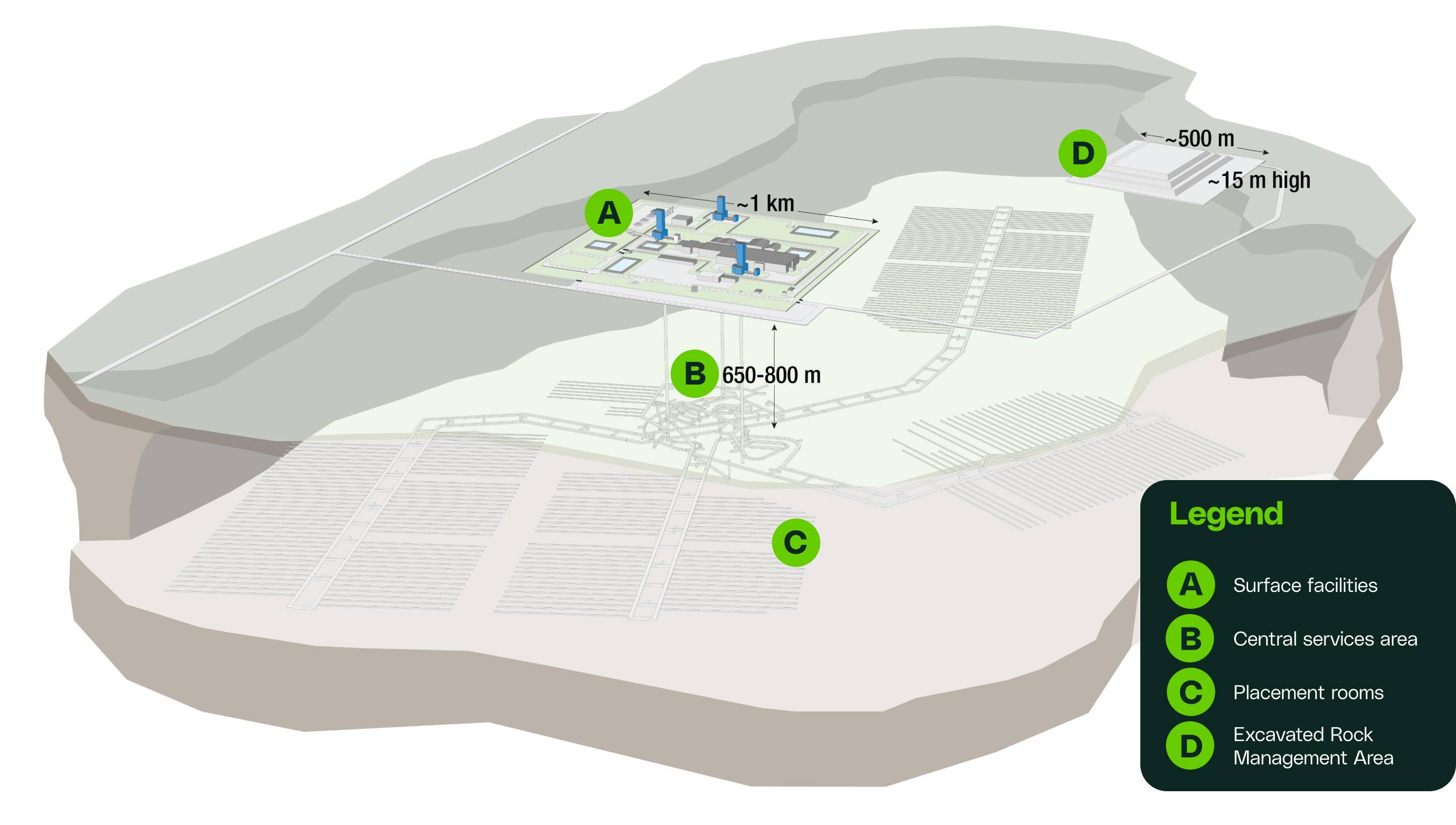
In a major step forward for Canada, the regulatory process has begun on a Deep Geological Repository (DGR). After extensive ecological studies and community outreach, a site has been selected by the NWMO to begin development of a DGR. Wabigoon Lake Ojibway Nation and the Township of Ignace have been selected as the site for the DGR. They have been consulted and are willing to host the project. Once the DGR is completed, all existing and future spent fuel will be securely transported and stored approximately 500 to 800 metres below the earth's surface. This long-term management method is the global best practice with numerous DGRs being planned in nations around the world and construction well under way in Finland and Sweden. Through shared information agreements, Canada is watching and learning valuable information from these other projects. No storage solution should ever be described as a final resting place, but the DGR will provide many centuries of safe management for future generations.
Site decommissioning
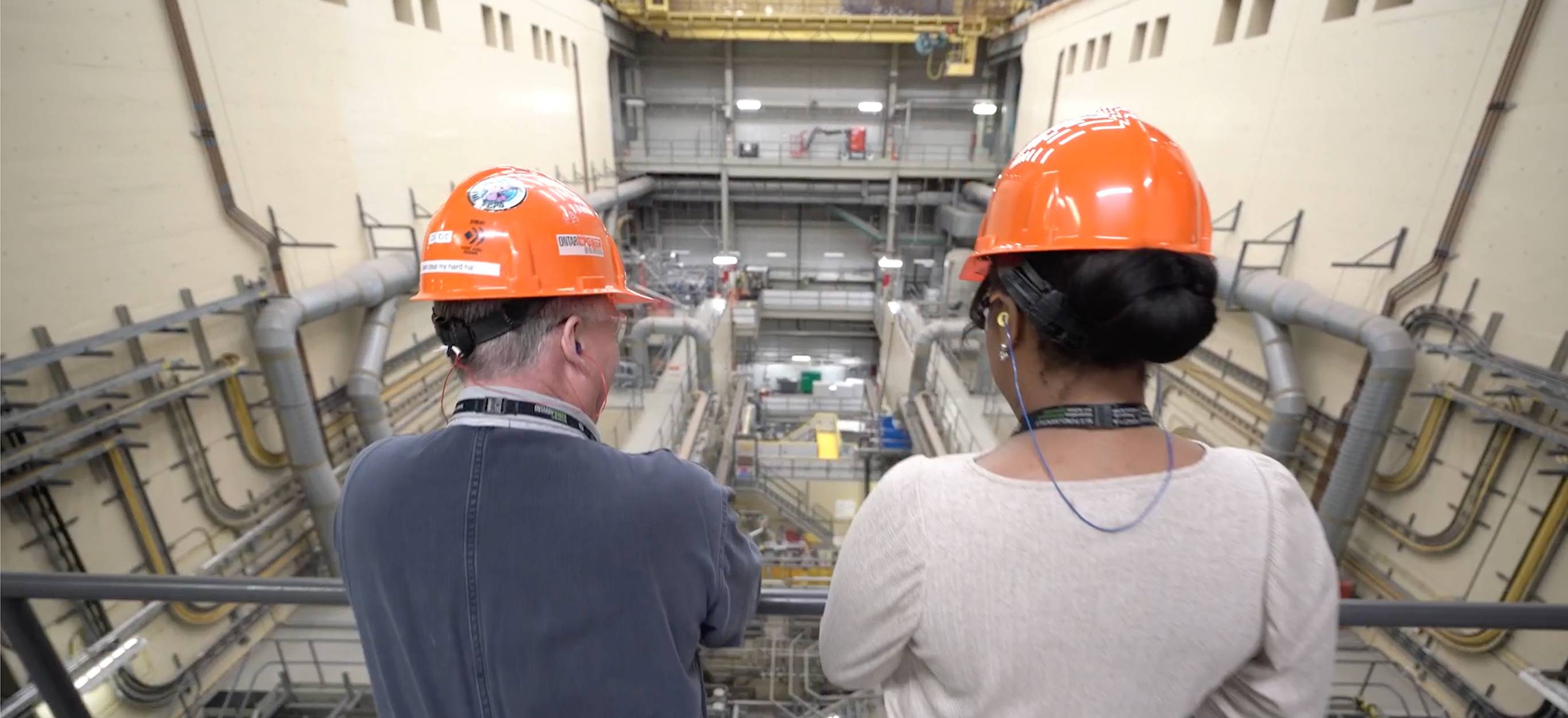
Like everything else in life, nuclear generating stations and interim waste storage facilities don't last forever. Reactors can be refurbished, adding decades of safe, usable years of generation, but eventually it will be time to end generation at that site and begin the work of removing radioactive materials and returning the land back to the way it was before the station existed. The same applies to nuclear waste management facilities. There will come a time when the materials stored at these locations will need to be securely moved to new homes and the remaining structures carefully deconstructed and safely disposed of.
The Canadian Nuclear Safety Commission (CNSC) defines decommissioning as the sum of all the administrative and technical actions taken to allow the removal of some or all of the regulatory controls from a facility, location, or site where nuclear substances are managed, used, possessed, or stored.
These are complex projects often including storage, decontamination, dismantling, removal, and cleanup phases. Which is why the CNSC mandates that decommissioning funds are set aside over the entire life of the nuclear station or waste management facility.
To ensure the cost of decommissioning will not fall on future generations, OPG created two dedicated funds for future nuclear waste management.
- A Used-Fuel Segregated Fund, covering costs associated with the long-term management of used nuclear fuel bundles.
- A Decommissioning Segregated Fund, which covers future costs for removal of used nuclear core machinery as well as the processing and long-term storage of low- and intermediate-level waste.
These funds are held in third-party accounts, segregated from the rest of OPG's assets. These financial guarantees ensure the proper stewardship of Ontario land for generations to come and eliminates the funding burden for future Ontarians.
Learn more about nuclear decommissioning.
Ongoing research and international cooperation
OPG is always on the lookout for even better ways forward. History has shown us that with time, technologies advance and new innovations offer improvements. These learnings will always be carefully scrutinized and, when they offer obvious and proven improvement, implemented for the betterment of all.
Around the world, scientists are working on new solutions to the ongoing care of nuclear waste. Significant investments are being made by scientific researchers, nuclear operators, and new nuclear players in nations around the world. OPG is a member of a number of international organizations dedicated to the safe disposal of nuclear waste and has cooperative agreements with many countries at the forefront of this work. These agreements enable the sharing of information and innovations and ensure that advancements for one are advancements for all.


Subscribe and stay informed
Sign up to receive the latest news, project updates, and event information from OPG.