Independent oversight
Ensuring that Nuclear Waste is managed and stored safely is always the first priority. Starting with oversight, OPG's operations are overseen by two independent bodies.
The first level of oversight comes from the International Atomic Energy Agency (IAEA), a United Nations international organization created in 1957 and dedicated to the safe, secure and peaceful use of nuclear technologies.
OPG's Nuclear Sustainability team also operates in compliance with, and in full respect for, all Canadian Nuclear Safety Commission (CNSC) regulations. The CNSC regulates all OPG nuclear sites, including the handling of nuclear waste to safeguard health and the environment, to ensure safety and security, and to respect Canada's international commitments to the peaceful use of nuclear energy.

An outcome of Natural Resources Canada's (NRCan) 2002 Nuclear Fuel Waste Act (NFWA) was the creation of the non-profit Nuclear Waste Management Organization (NWMO) to oversee the long-term management of all high-level waste. Part of the NWMO's mandate is to constantly study approaches for the long-term management of used fuel.
In 2023, NRCan released Canada's Policy for Radioactive Waste Management and Decommissioning. In 2020, the NWMO was tasked by NRCan to lend their technical and public engagement expertise to the development of the Integrated Strategy for Radioactive Waste (ISRW). The ISRW is informed by more than two years of engagement with Canadians, Indigenous peoples, and waste generators and owners, as well as detailed studies of both technical considerations and international best practices. Those recommendations were endorsed by NRCan and outlines responsibilities for the disposal of Low and Intermediate-Level Waste in Canada.

Safety at all levels
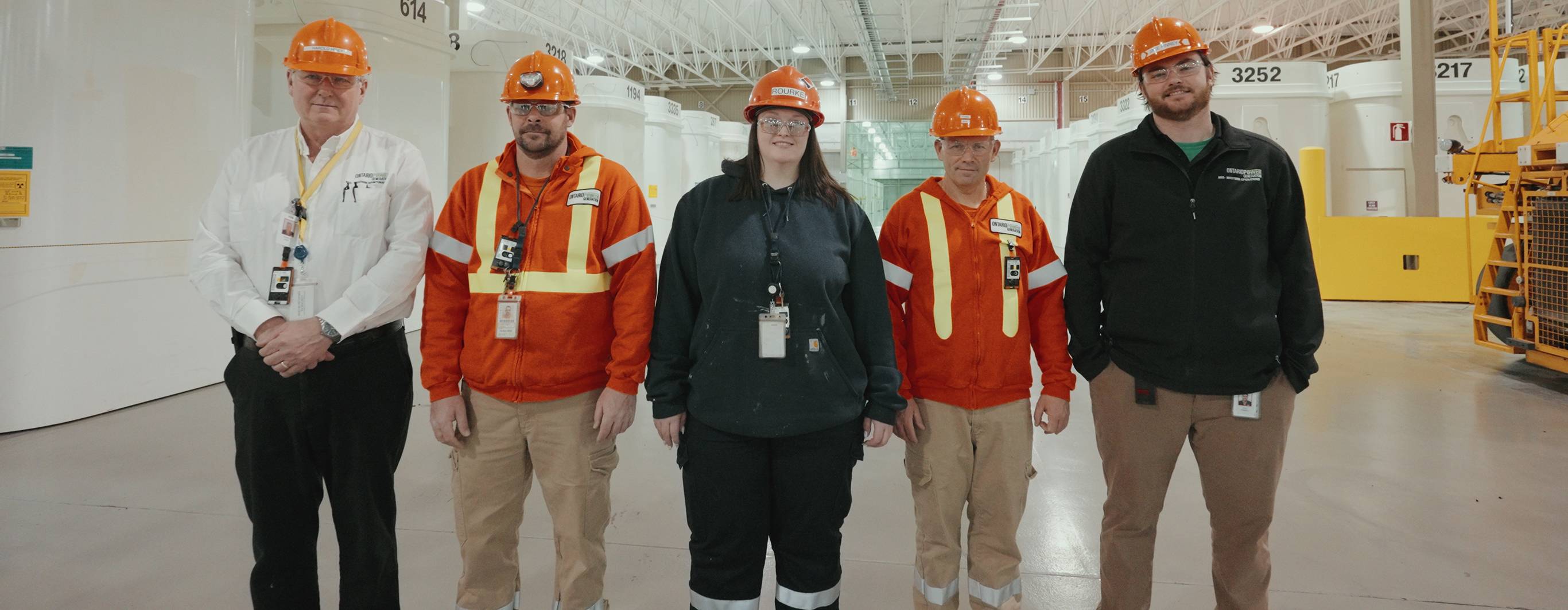
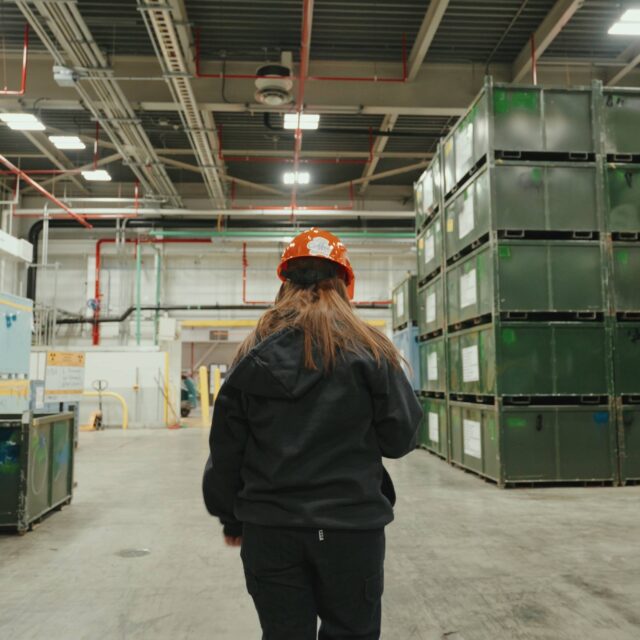
Every day, OPG's waste management division, Nuclear Sustainability Services (NSS), works to ensure the safe and secure sorting, reduction, containment, transport, and management of all nuclear waste and materials. The NSS team's work includes the sorting, compaction, and incineration of low-level waste that substantially reduces overall volumes. It also includes the secure containment and interim storage of intermediate and high-level waste materials.
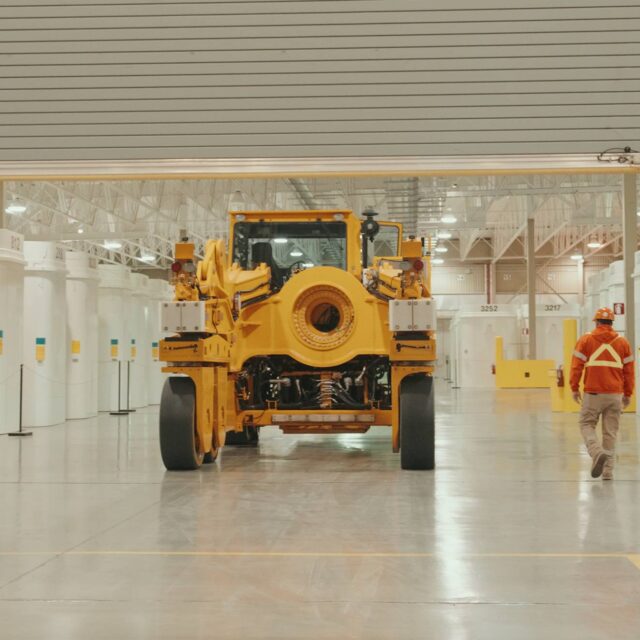
High-level waste, or spent fuel, is handled with precision and ongoing care. Fuel bundles are stored in water for years before being sealed in large dry storage containers made of concrete and steel. Safety for today and for the future is always the top priority when our NSS team handles materials from any of the three levels of waste.

Commitment without end
OPG is responsible for ensuring that all of our nuclear waste and radioactive materials are safely managed every step of the way. To ensure that future generations are not economically burdened with the responsibility of managing nuclear waste, OPG has been planning for the future management of all high, intermediate, and low-level waste and even the eventual decommissioning of its generating and waste management facilities.
Specifically, a Used Fuel Segregated Fund exists to cover costs associated with the long-term management of used nuclear fuel. On top of this, a Decommissioning Segregated Fund exists to cover costs for nuclear fixed asset removal and the processing and long-term storage of low and intermediate waste. These funds remain in third party custodial accounts, segregated from the rest of OPG's assets.


Subscribe and stay informed
Sign up to receive the latest news, project updates, and event information from OPG.