
At a glance
- The Williams Treaties First Nations have announced a historic $700-million investment in OPG’s Darlington New Nuclear Project.
- Joining the Nations in their announcement was Ontario Minister of Energy and Mines, Stephen Lecce, Ontario Finance Minister, Peter Bethlenfalvy, and Federal Minister of Finance and National Revenue, François-Philippe Champagne.
- This represents the largest collective First Nations investment in nuclear generation in Canada’s history.
- The partnership will create long-term economic opportunities for the participating Nations and a platform for future Indigenous participation in major infrastructure development across the Williams Treaties Territories.
OPG’s Darlington New Nuclear Project (DNNP) is receiving a landmark $700-million investment from the Williams Treaties First Nations, the largest collective First Nations investment in nuclear generation in Canada’s history.
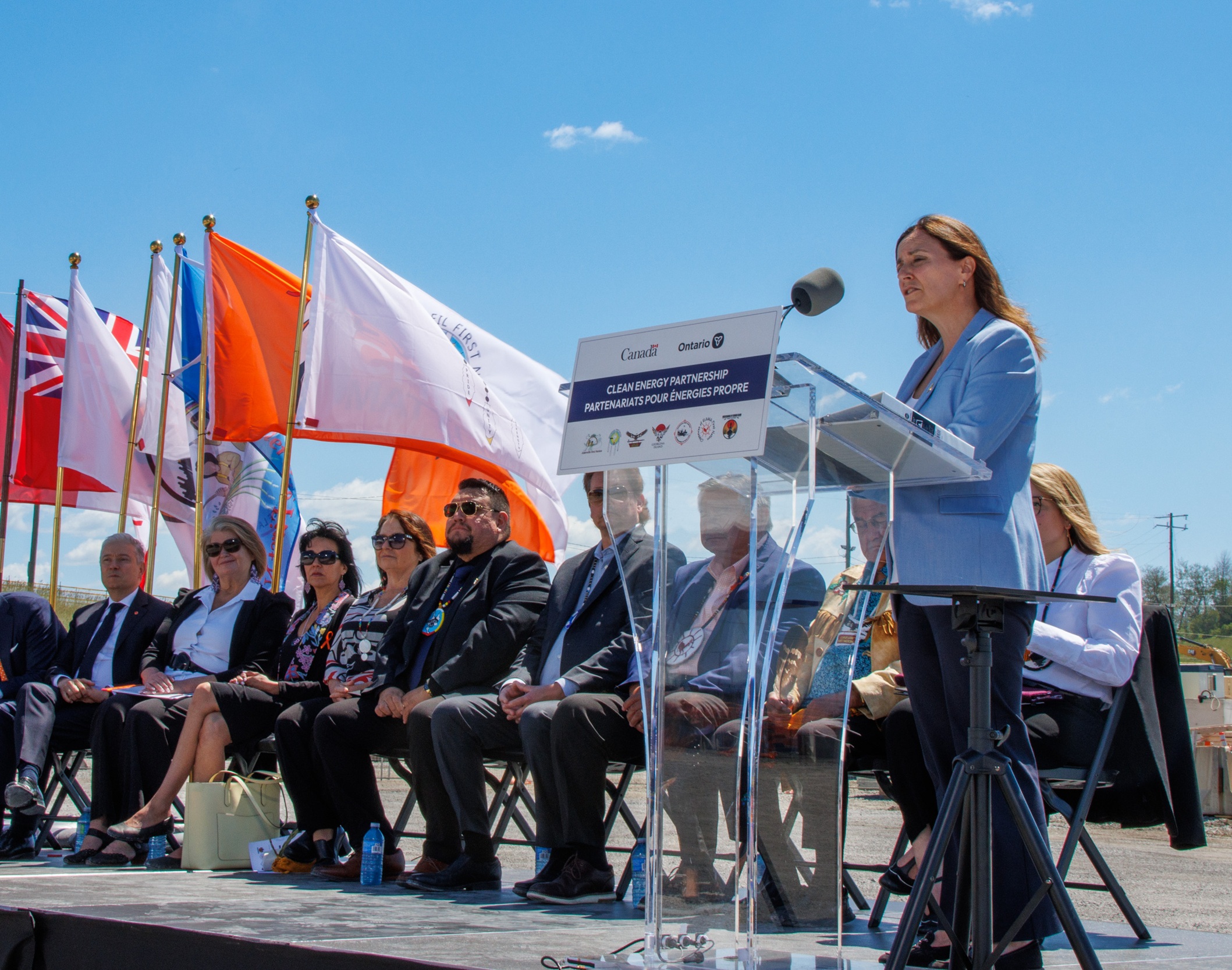
The Nations made the announcement on June 23 at the DNNP site, where they were joined by Ontario Minister of Energy and Mines, Stephen Lecce, Ontario Finance Minister, Peter Bethlenfalvy, and Federal Minister of Finance and National Revenue, François-Philippe Champagne.
Backed jointly by the federal government’s Indigenous Loan Guarantee Program and Ontario’s Building Ontario Fund, the transaction will provide participating First Nations with a meaningful ownership stake in the G7's first commercial, grid-scale Small Modular Reactor (SMR) – one of Canada’s most significant energy projects.
Now under construction at Darlington, the project will partner with seven communities of the Michi Saagiig and Chippewa Anishinaabeg Nations of the Williams Treaties, helping establish long-term Indigenous participation in Ontario’s clean energy future. The Nations include Alderville First Nation, Curve Lake First Nation, Hiawatha First Nation, Mississaugas of Scugog Island First Nation, Beausoleil First Nation, Chippewas of Georgina Island First Nation, and Chippewas of Rama First Nation.
In addition to securing participation in the DNNP, the investment will create long-term economic opportunities for participating Nations as well as a platform for future Indigenous participation in major infrastructure projects across the Williams Treaties Territories.
Today, our Nations are taking a historic step forward. Through this investment, we are not only creating opportunities for our own communities – we are helping advance a project that will play an important role in meeting Ontario’s growing energy needs.Chiefs of the Williams Treaties First Nations
Once operational, OPG’s first BWRX-300 SMR will be capable of generating 300 megawatts of clean, reliable electricity – enough to power about 300,000 homes. OPG plans to build three more SMRs at the site. Combined, this SMR fleet could produce enough electricity to power about 1.2 million homes.
“Today, our Nations are taking a historic step forward. Through this investment, we are not only creating opportunities for our own communities – we are helping advance a project that will play an important role in meeting Ontario’s growing energy needs. This investment demonstrates what is possible when First Nations are able to participate meaningfully in projects taking place within their territories, not only as rights holders, but as investors, partners, and participants in the long-term success of the project,” said the Chiefs of the Williams Treaties First Nations in a joint statement.
OPG making steady progress on Canada’s first SMR

On the ground, the DNNP continues to reach milestones on the road to deploying Canada’s first SMR.
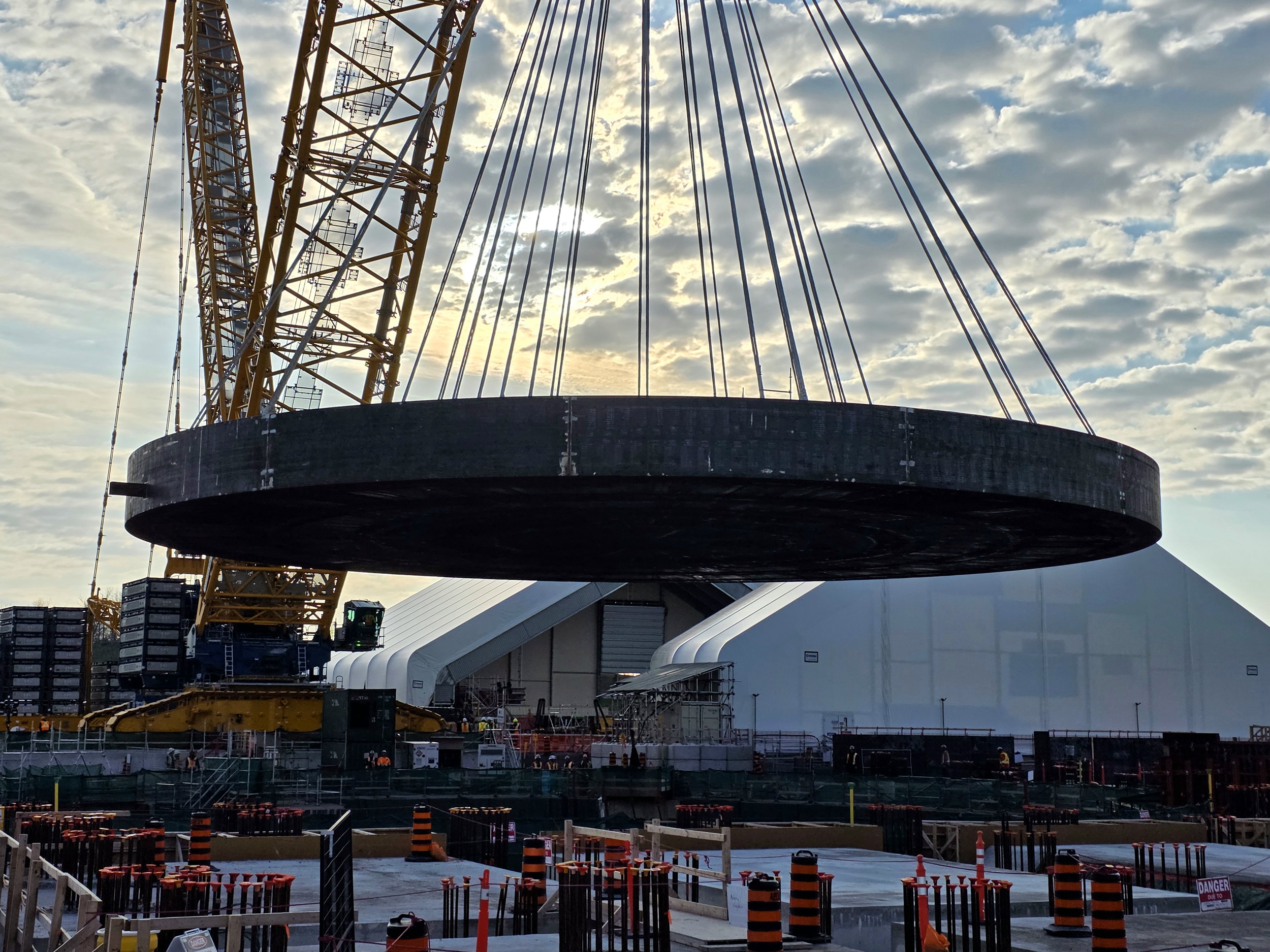
In April, the project team hoisted and placed the close to 2.1-million-pound Basemat module – the foundation of the reactor building – into the newly excavated reactor building shaft, 35 metres below ground.
Preparation work is now underway to excavate a 3.4-kilometre-long Condenser Cooling Water tunnel – an essential element for bringing the first SMR unit online. To do this work, a large tunnel boring machine, nicknamed Harriett Brooks after Canada’s first female nuclear physicist, will be assembled and deployed.

Related stories


Subscribe and stay informed
Sign up to receive the latest news, project updates, and event information from OPG.